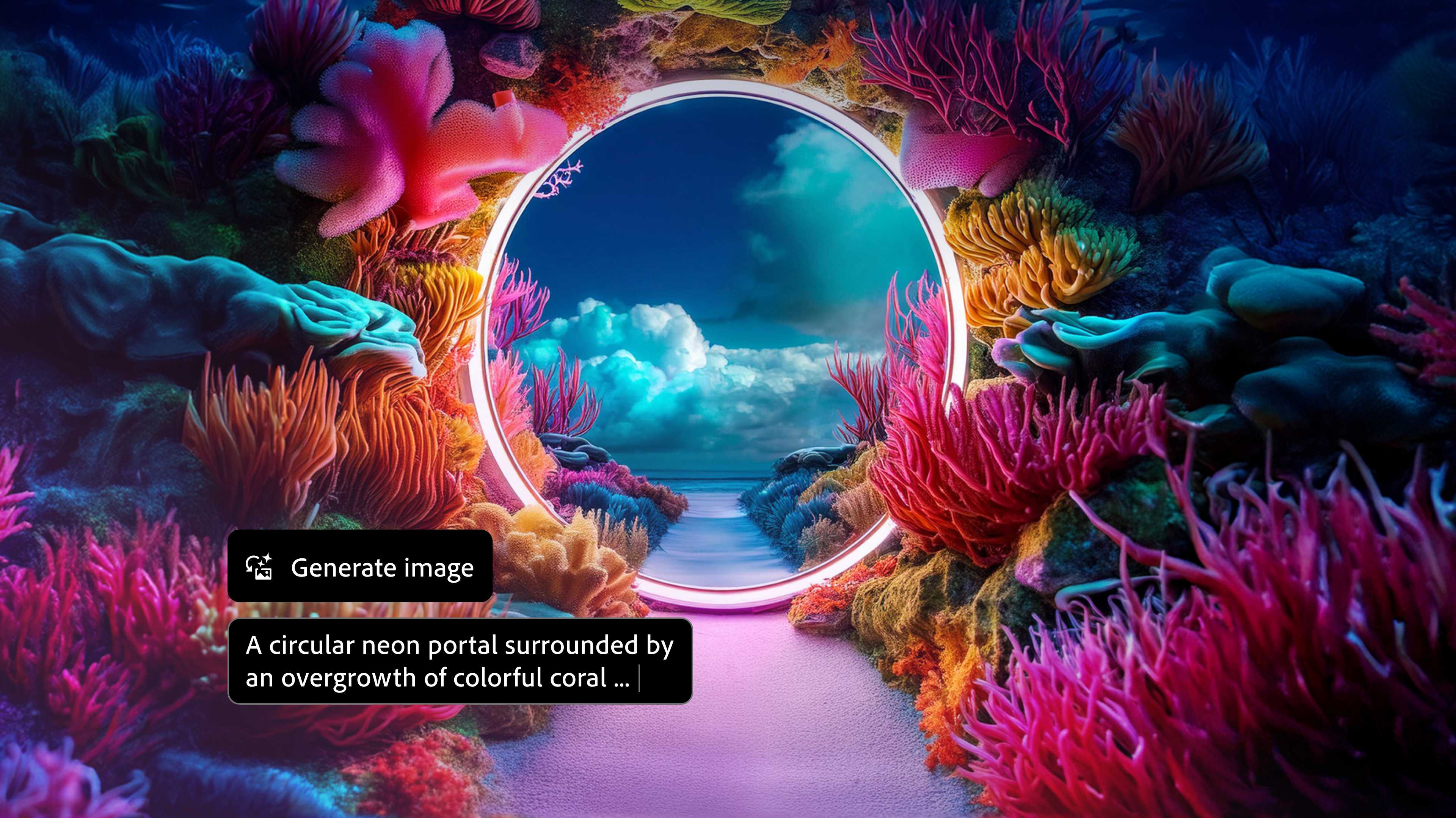
Adobe Firefly V3: Generative Bild-KI in Photoshop Adobe hat den KI-Bildgenerator Firefly Image 3 vorgestellt und in Photoshop integriert. Er erstellt Bildmotive unter anderem auf Grundlage von Referenzbildern. heute, 11:00 Uhr 1 Kommentare heise online
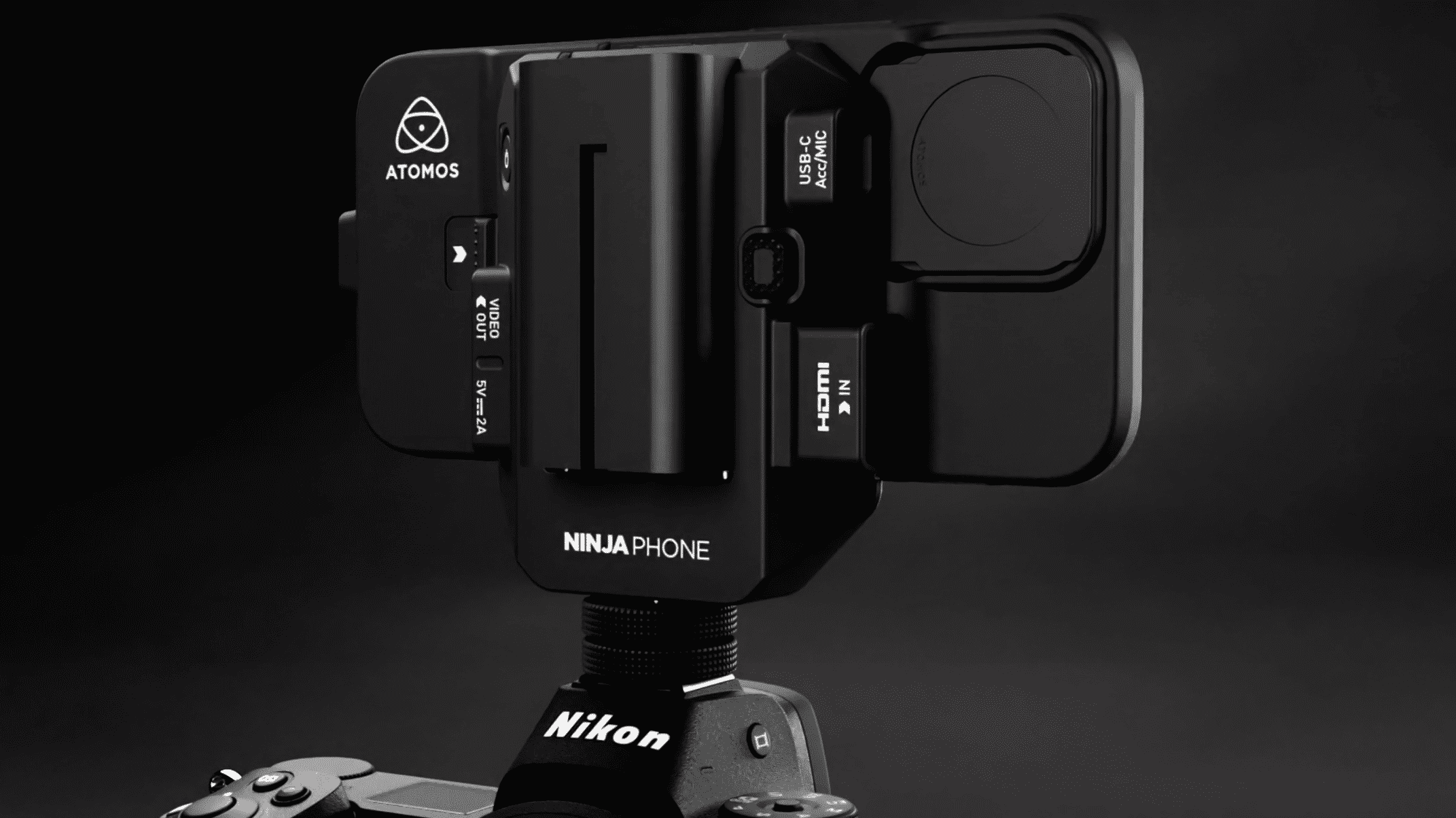
Viele Preise und ein iPhone als Profi-Monitor – die Fotonews der Woche 16/2024 Sowohl WPPA wie TIPA wurden verliehen, Sony hat ein teures Weitwinkel, und aktuelle iPhones sind so gut, dass sie für Filmproduktion taugen – als Display. 20. April 2024, 12:42 Uhr
Urteil in Prag: KI-generiertes Bild kann von jedermann frei genutzt werden Eine Firma ließ sich von DALL-E ein Bild erzeugen, das eine Kanzlei für die eigene Webseite übernahm. Ein tschechisches Gericht sieht keine Rechtsverletzung. 18. April 2024, 15:53 Uhr 205 Kommentare heise online
Meissen – dem "Weißen Gold" mit der Kamera auf der Spur Aus drei Rohstoffen entstehen einzigartige Kostbarkeiten: Kaolin, Feldspat und Quarz bilden die Basis der Porzellanherstellung. Ein fotografischer Rundgang. 18. April 2024, 07:00 Uhr 8 Kommentare
Sony stellt lichtstarkes Weitwinkel-Zoom FE 16-25mm F2.8 G vor Astrofotografie, Landschaften, Video: Sonys Weitwinkelzoom soll für unterschiedliche Aufgaben gerüstet sein. 17. April 2024, 11:11 Uhr 2 Kommentare
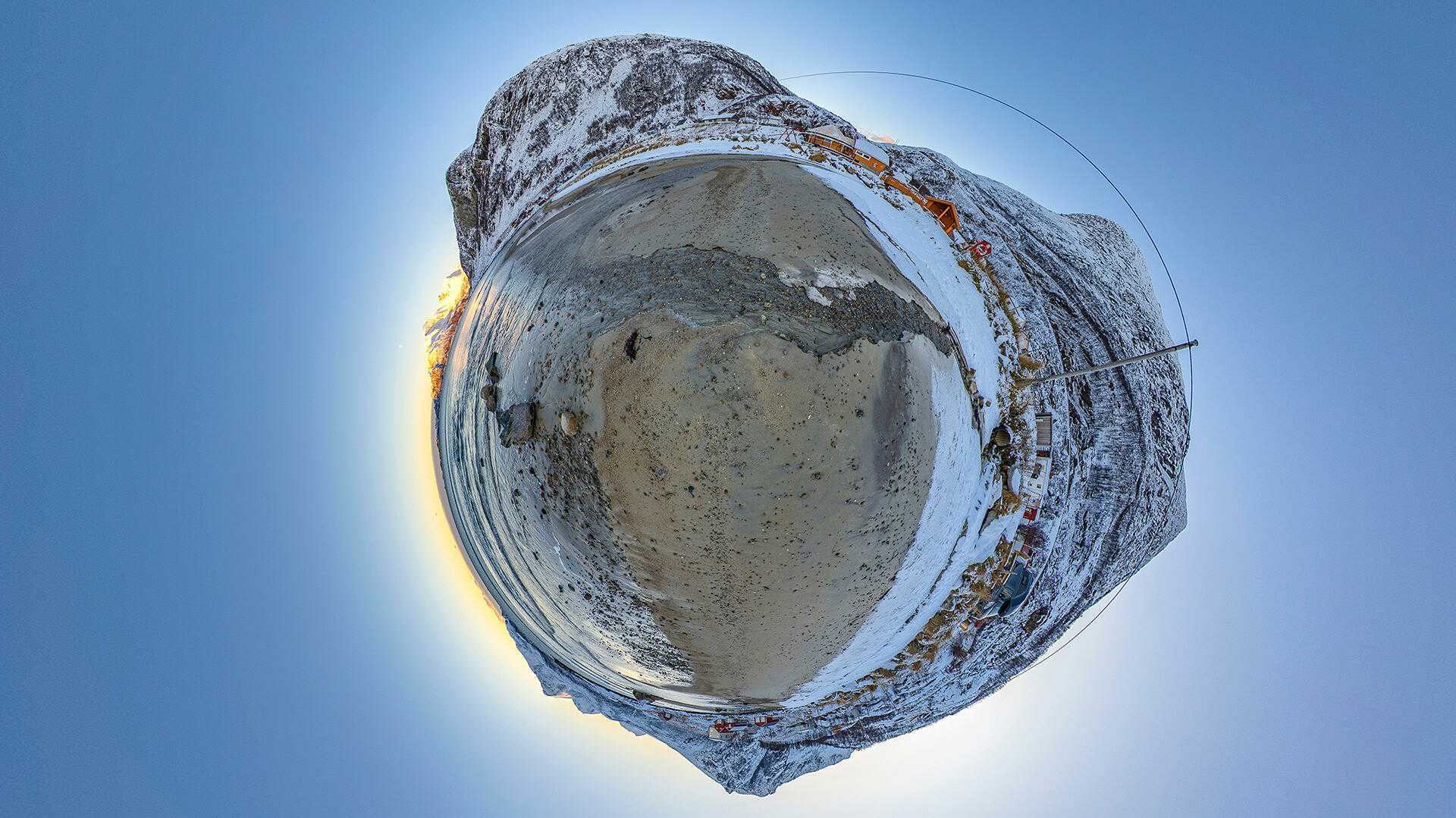
Insta360 X4: Rundumvideo in 8K-Auflösung Die Actionkamera Insta360 X4 filmt Rundumvideos in 8K-Auflösung, die man erst beim Bearbeiten in der App ausrichten muss. Auch den Selfiestick retuschiert sie. 16. April 2024, 15:00 Uhr 9 Kommentare heise online
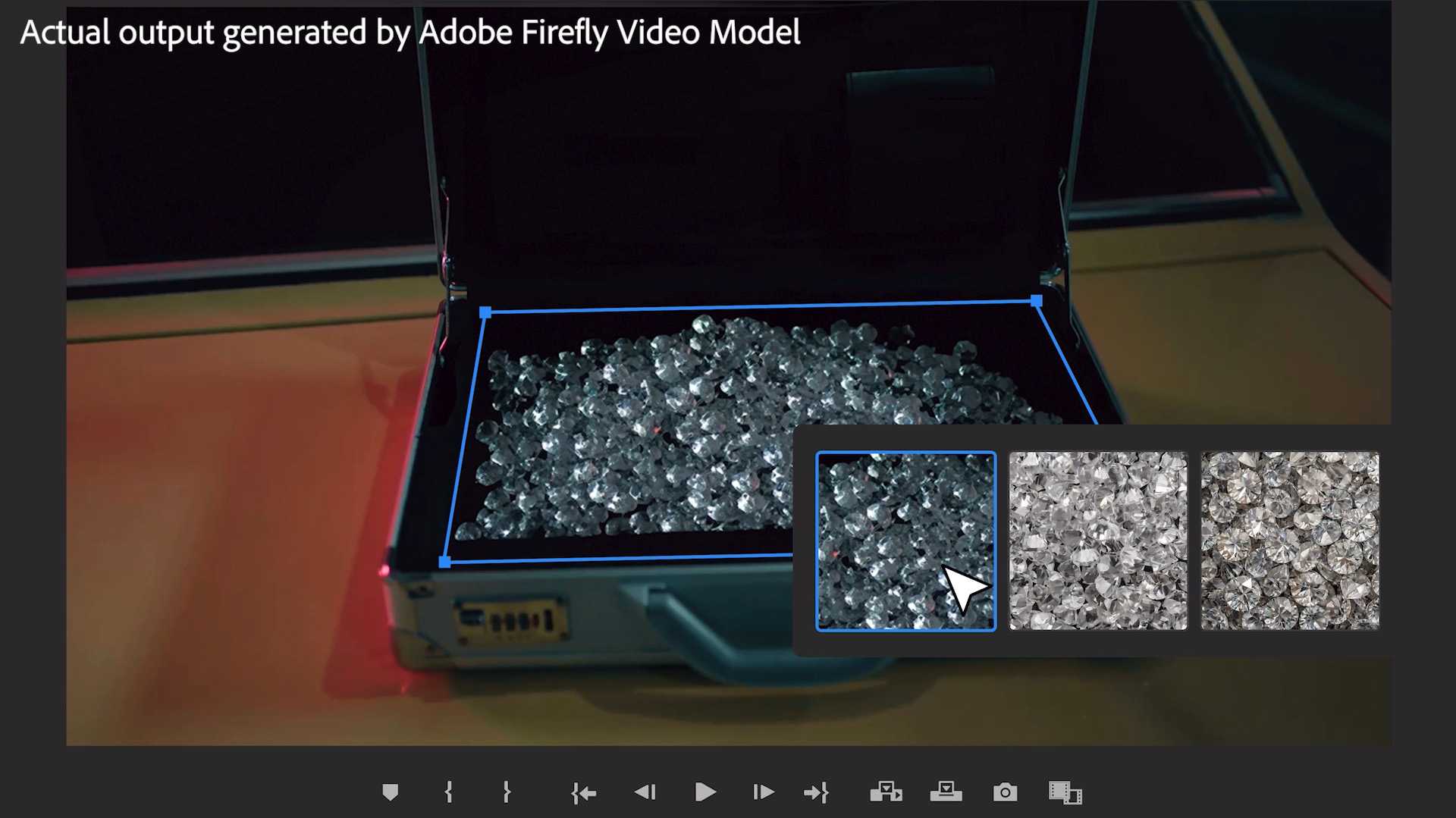
Adobe Firefly: Premiere Pro erhält generative KI für Videos Die generative KI Adobe Firefly soll bis Ende des Jahres in Premiere Pro Objekte in Videos retuschieren und ergänzen sowie die Leinwand vergrößern können. 15. April 2024, 15:00 Uhr 4 Kommentare heise online
c't Fotografie: Die Buchempfehlungen für das Frühjahr 2024 Im Park oder auf dem Balkon mit einem Buch zu sitzen, macht bei Temperaturen um die 20 Grad wieder Spaß. Hier sind unsere vier Empfehlungen für den Frühling. 15. April 2024, 07:00 Uhr
Click Boom Flash: Neue Podcast-Folge "Blick nach innen" Bei einem unklaren Befund hilft eine Radiologin oder ein Nuklearmediziner mit einem Blick ins Innere. Aber wer braucht welches Verfahren und warum? 14. April 2024, 09:10 Uhr
Die Messekrise und ein neuer Nikon-CEO – die Fotonews der Woche 15/2024 Deutschland hat kein Leitevent für Fotografie mehr, Nikon schließt die Übernahme von Red ab und das neue Leitz Phone ist wirklich nichts für jeden. 13. April 2024, 11:31 Uhr 7 Kommentare
Kräfte als Triebfeder fotografischer Kreativität: Die Bilder der Woche KW 15 Die Bilder dieser Woche strotzen vor Kraft – auf ganz unterschiedliche Arten, einmal kaum wahrnehmbar, ein anderes Mal sieht man ihre Auswirkungen deutlich. 13. April 2024, 07:00 Uhr mit Bilderstrecke
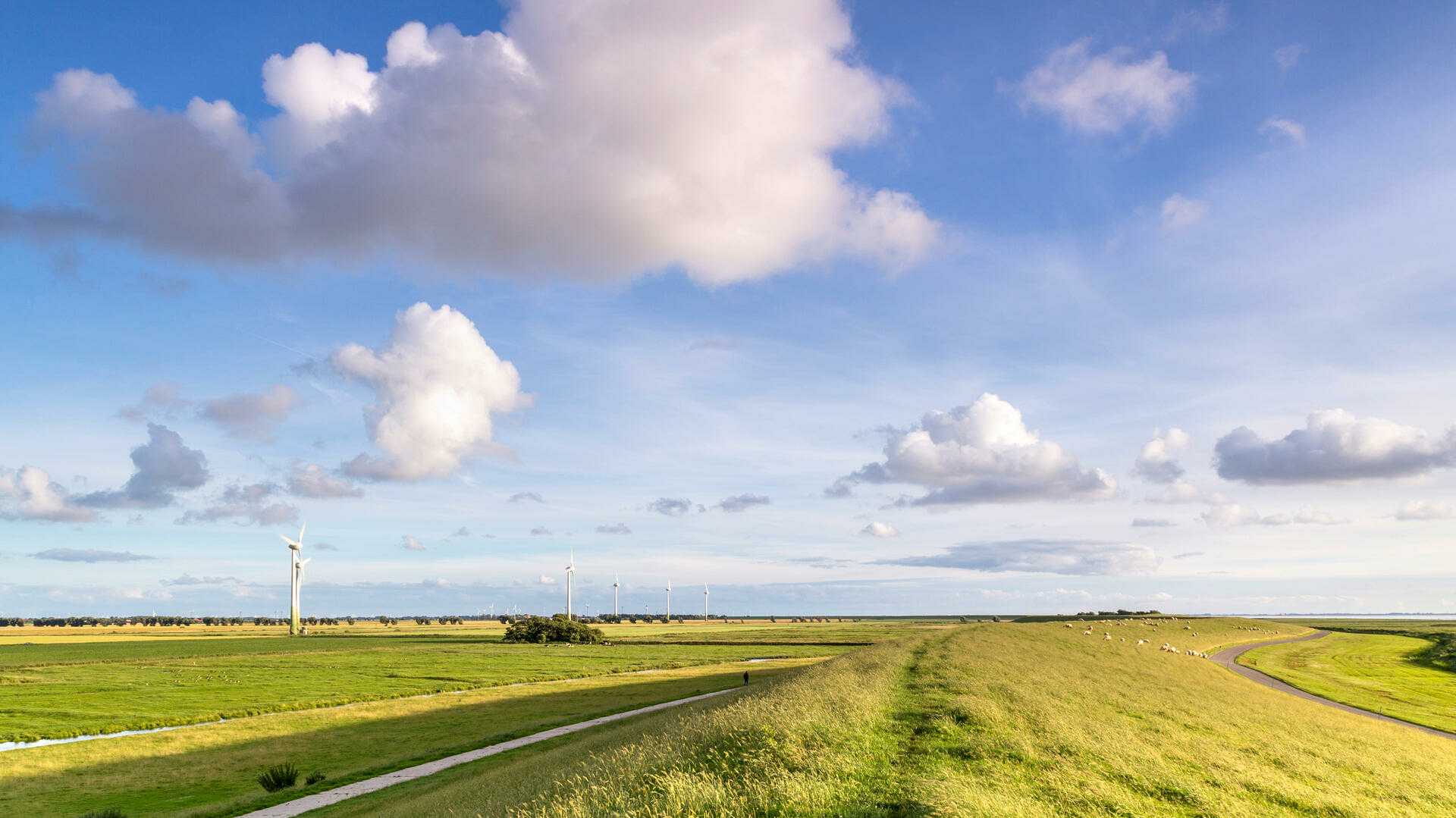
Auf Fototour durch die Küstenlandschaft Ostfrieslands Marsch, Moor – und natürlich das Meer. Die Geest, durchzogen von kleinen Gräben und Wallhecken. Städte aus rotem Klinker. Das ist Ostfriesland. 11. April 2024, 07:00 Uhr 7 Kommentare
Software für Panoramafotografie: Photoshop und Lightroom versus Spezialprogramm Panoramabilder mit dem Smartphone stoßen schnell an ihre Grenzen. Wir vergleichen integrierte Lösungen wie in PS und LR mit spezialisierter Panorama-Software. 08. April 2024, 10:10 Uhr 5 Kommentare
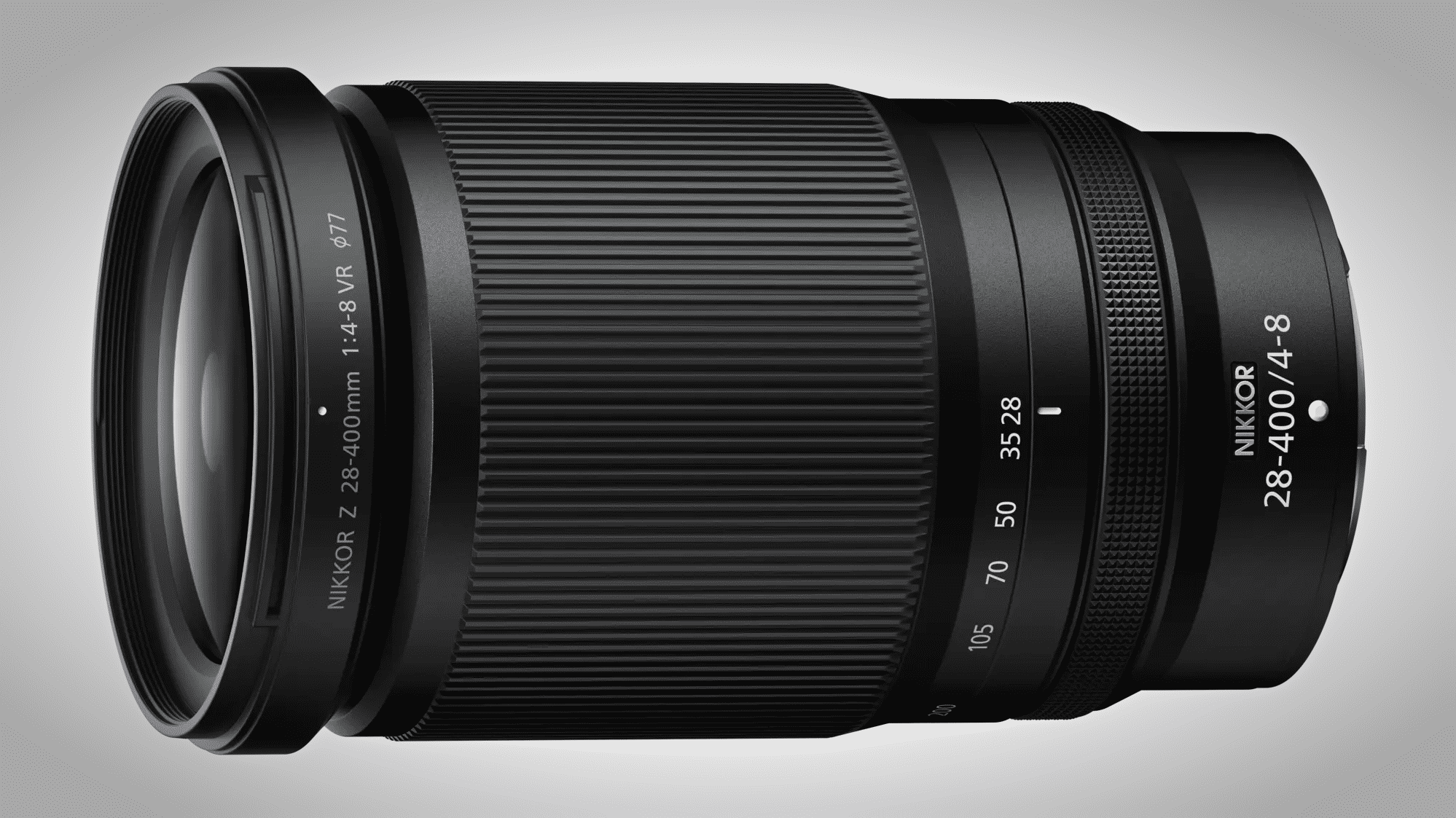
Sonys Firmware-Flop und ein dichtes Superzoom – die Fotonews der Woche 14/2024 Lang erwartete Updates werden schnell zurückgezogen oder sind unvollständig und Nikons neues Reisezoom wirkt wie eine neue Kategorie der Z-Optiken. 06. April 2024, 19:40 Uhr 5 Kommentare
Die Natur und ihre Details: Die Bilder der Woche KW 14 Ob mit Weitwinkel-, Zoom- oder Makroobjektiv – die Natur lässt sich auf ganz unterschiedliche Weise fotografieren. Alle Ansätze haben ihren Reiz. 06. April 2024, 07:00 Uhr mit Bilderstrecke
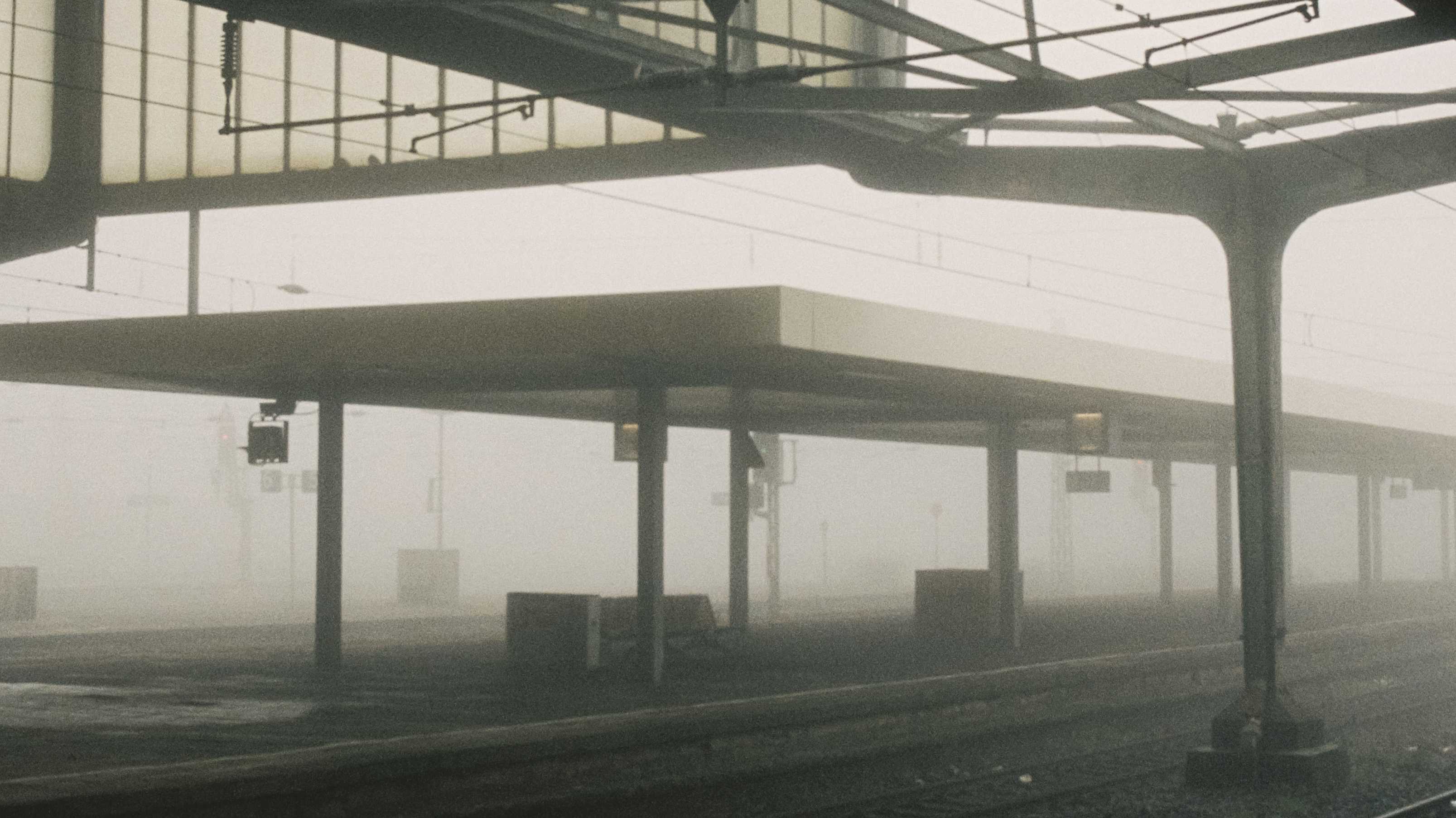
Portfolio Tobi Müller – Eine Ruhrpott-Dystopie Analogfotografie aus dem Ruhrgebiet: Keine Menschen, dichter Nebel und dystopische Atmosphäre charakterisieren die Bilder von Tobi Müller. 04. April 2024, 16:59 Uhr